
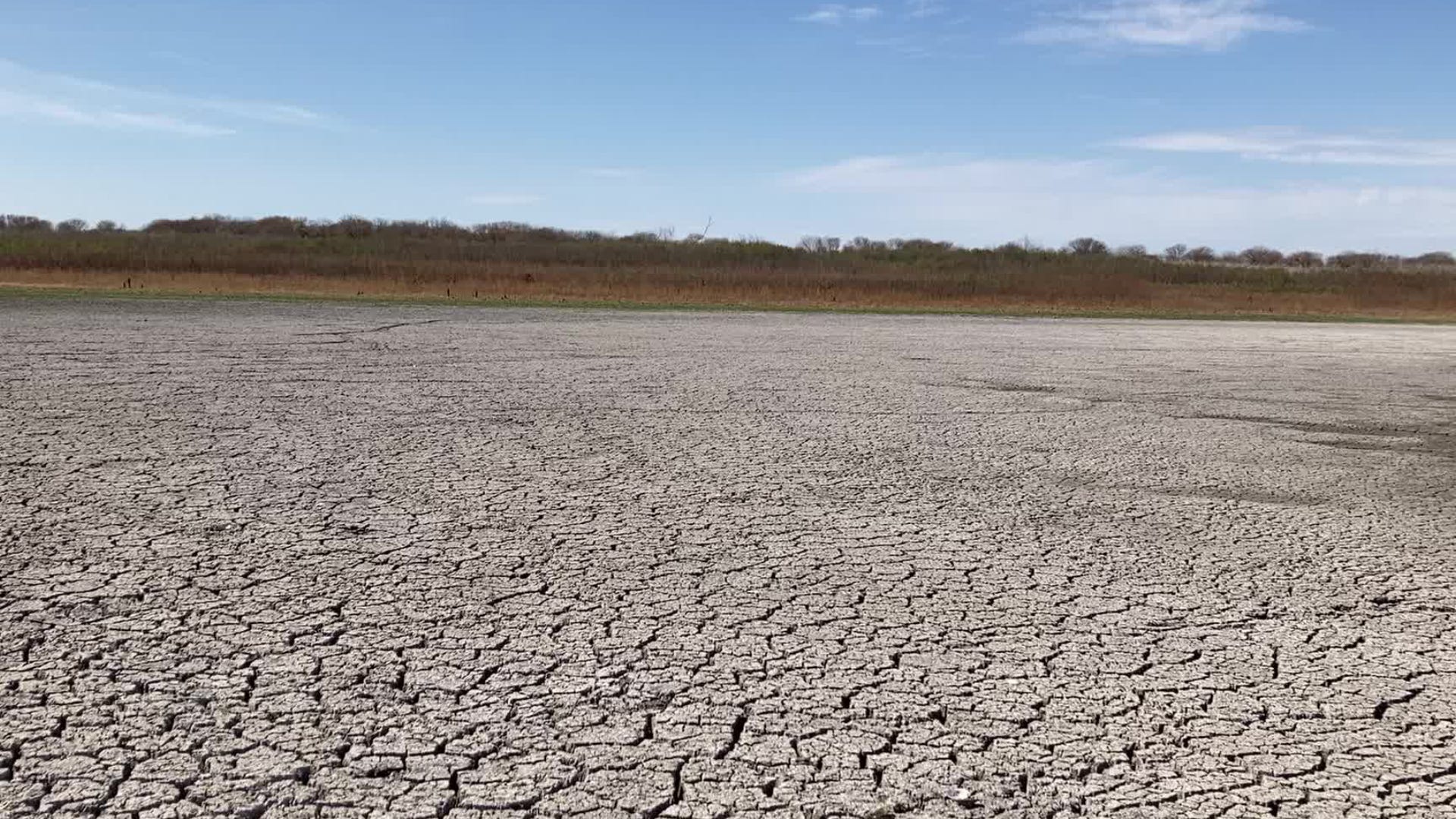
At 6:02 a.m., the faucets stopped. Across Corpus Christi — from Calallen to Flour Bluff — residents woke to the same sound: air rushing through empty pipes. Faucets sputtered, coughed, and then fell silent.
Toilets would not refill. Coffee pots stayed dry. Garden hoses hung limp over sun-bleached lawns.
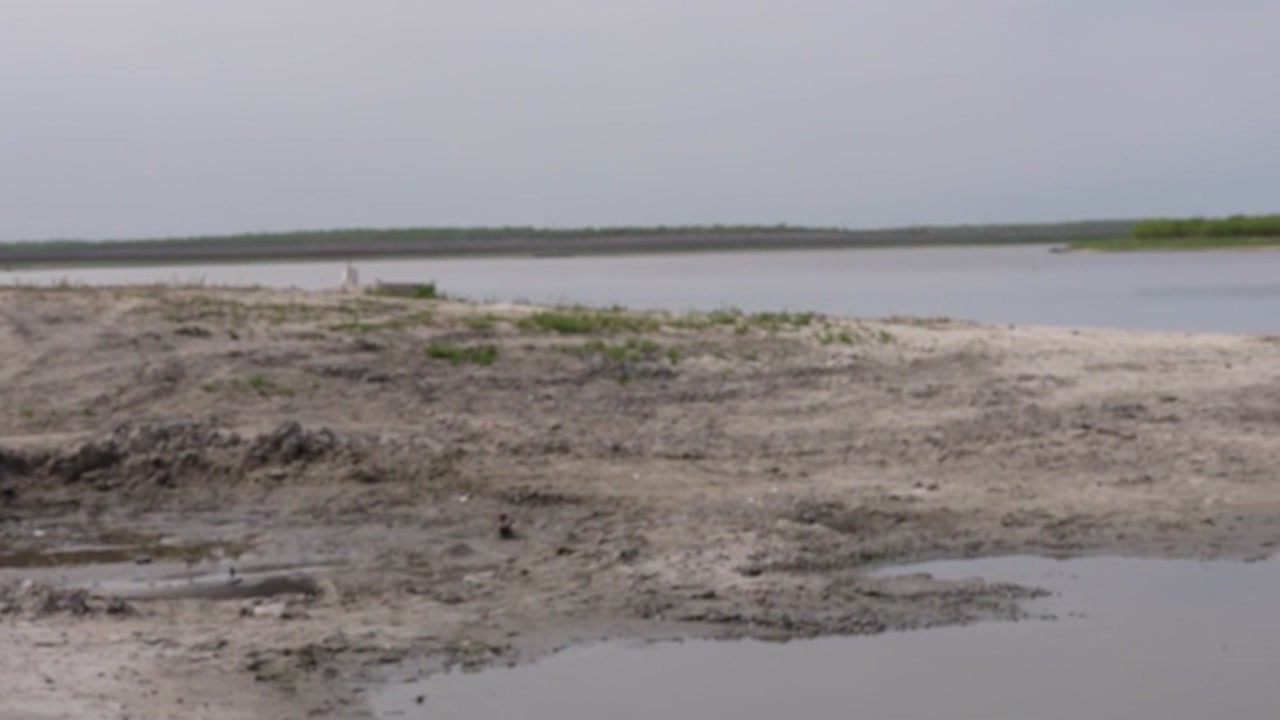
For years, the numbers had been dropping. Reservoir levels were posted weekly, then daily. Lake Corpus Christi and Choke Canyon — the twin lifelines for a city of more than 318,000 people — had slowly shrunk from sprawling lakes into shallow, muddy basins. By early spring, their combined capacity had fallen below ten percent, a figure that had once seemed purely theoretical.
The warnings had been clear.
But warnings alone do not move water.
That morning, the city issued a short message over emergency alert systems:
"Due to critically depleted reservoir levels and treatment limitations, municipal water service has been suspended."
Corpus Christi had reached Day Zero — the moment when a modern American city ran out of usable water.
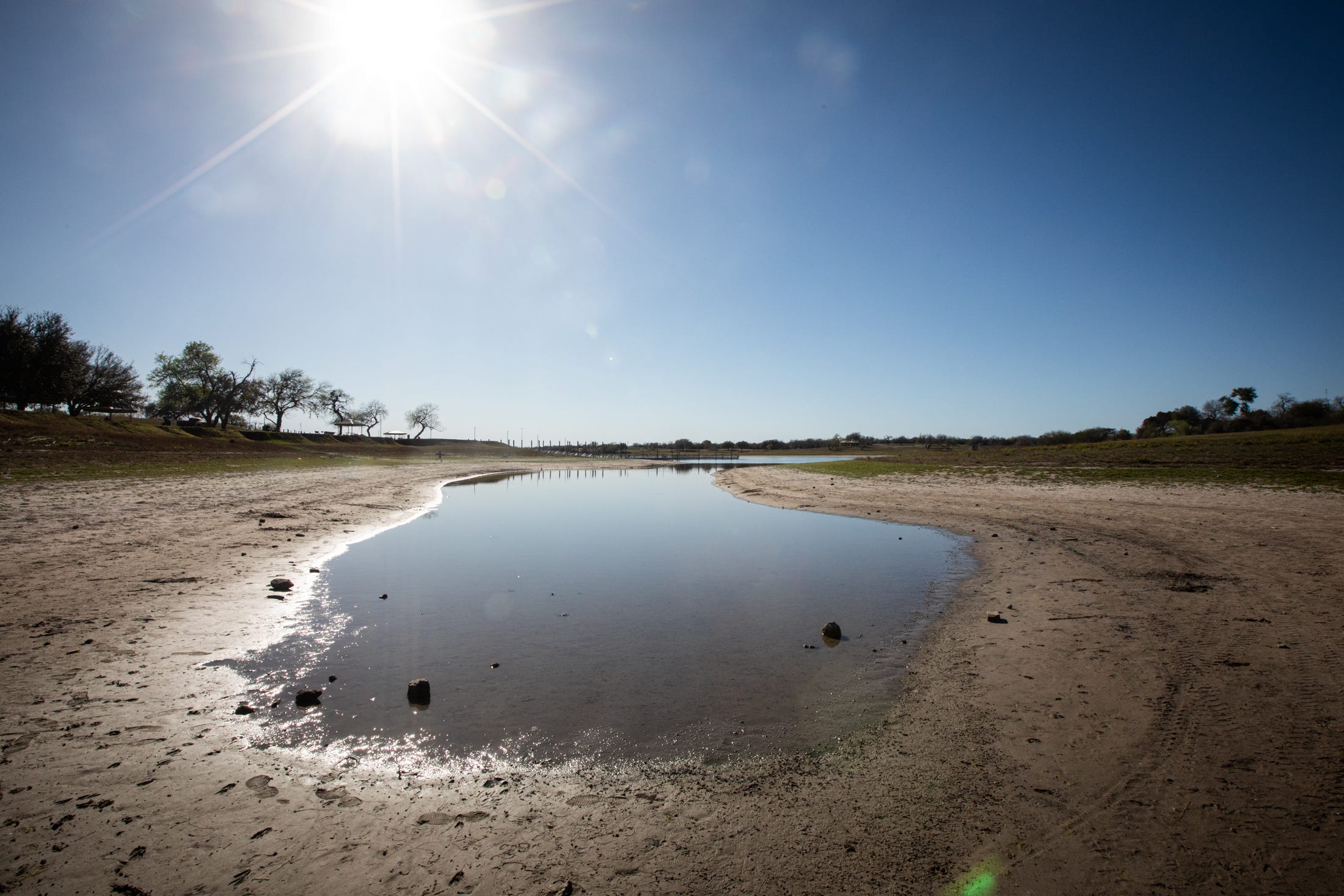
A Crisis Years in the Making
The drought alone did not bring Corpus Christi to this point. South Texas has endured dry cycles before. What made this moment different was the convergence of a record-breaking drought with explosive industrial growth and decades of delayed infrastructure decisions.
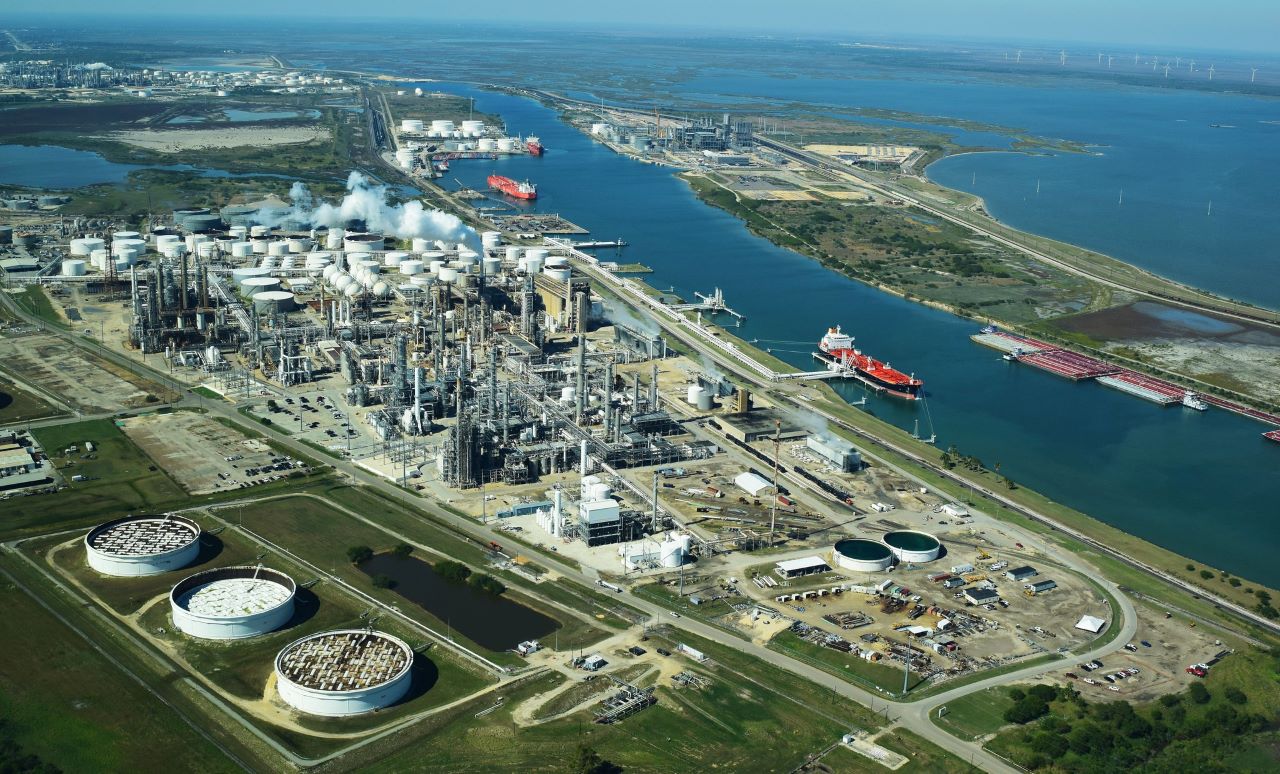
Over the past fifteen years, the Texas Gulf Coast became one of the fastest-growing industrial corridors in the United States. Refineries expanded. Petrochemical plants rose along the ship channel. Massive export terminals transformed the Port of Corpus Christi into one of the busiest energy ports in the world.
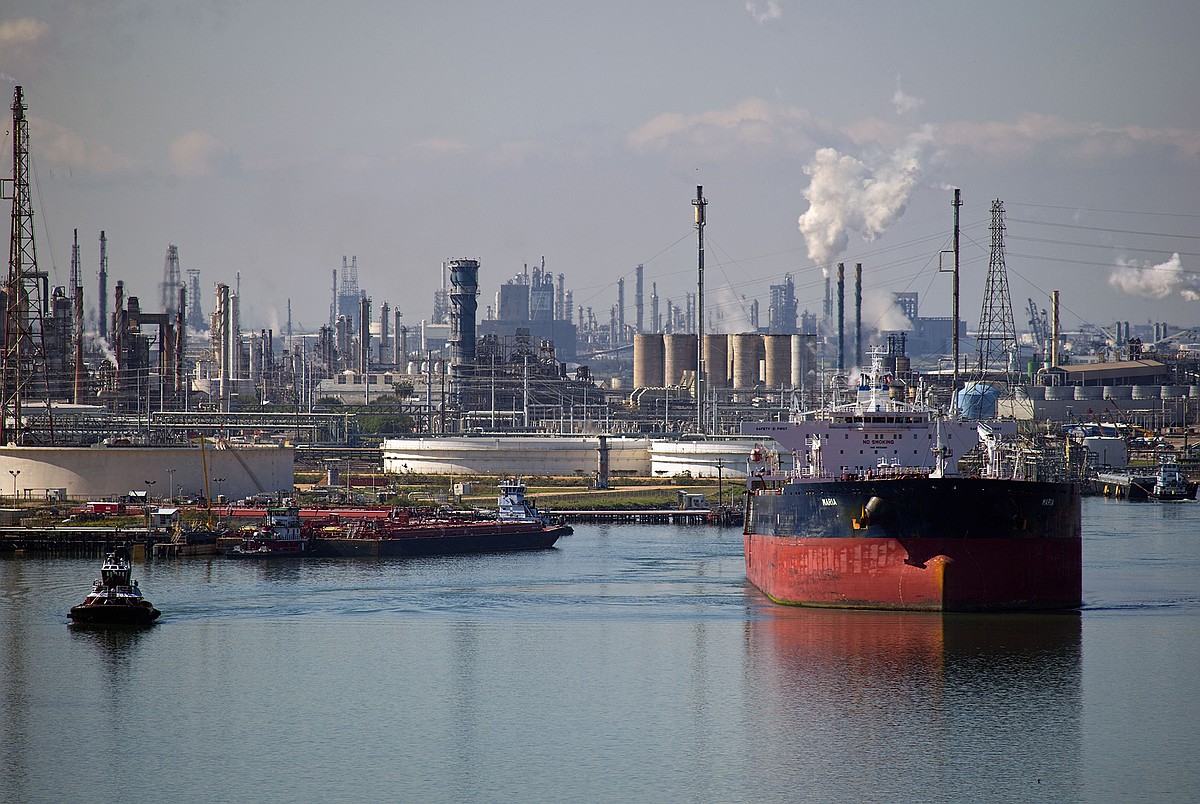
All of it required water. A staggering amount of it. Industry would come to account for over 58% of the city's total water consumption.
City leaders, eager for economic growth, reassured incoming companies that the water supply would keep up. In 2017, a letter was sent to ExxonMobil promising sufficient capacity — just six days before the city requested state funds for a desalination feasibility study. The following year, a similar promise was made to Steel Dynamics. These were commitments made on a water supply that did not exist.
The city's long-term answer was supposed to be desalination. Plans for a plant moved through studies and political debate for years. But as environmental concerns slowed permitting and competing proposals fractured support, the projected price ballooned from an initial estimate of $160 million in 2019 to an untenable $1.2 billion by 2025, leading the city council to cancel the project entirely.
And while the debate continued, the reservoirs kept dropping.
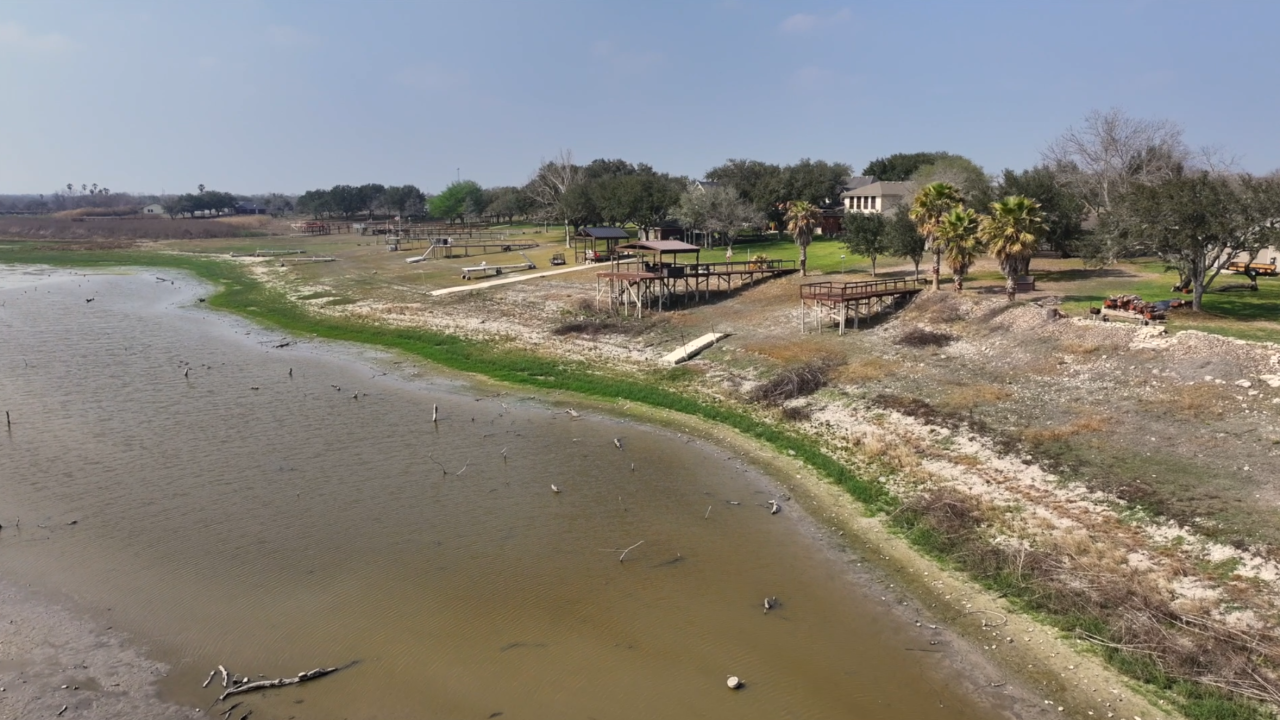
The Groundwater Gamble
As reservoir levels fell toward critical thresholds, officials turned to groundwater projects west of the city. The idea seemed simple: pump water from deep aquifers and pipe it to the coast. But the reality proved far more complicated.
Landowners fought the projects in court, fearing aquifer depletion. And when test wells finally began pumping, a more alarming problem emerged: the water itself was not always usable. Some samples revealed elevated levels of arsenic and naturally occurring radioactive elements like uranium — contaminants common in deep South Texas aquifers. The city even acknowledged it couldn't fully drain its existing reservoirs due to high arsenic concentrations at the bottom.
Treatment plants designed for surface water were not equipped to handle these contaminants. Once again, a potential solution was a dead end.
Day Zero
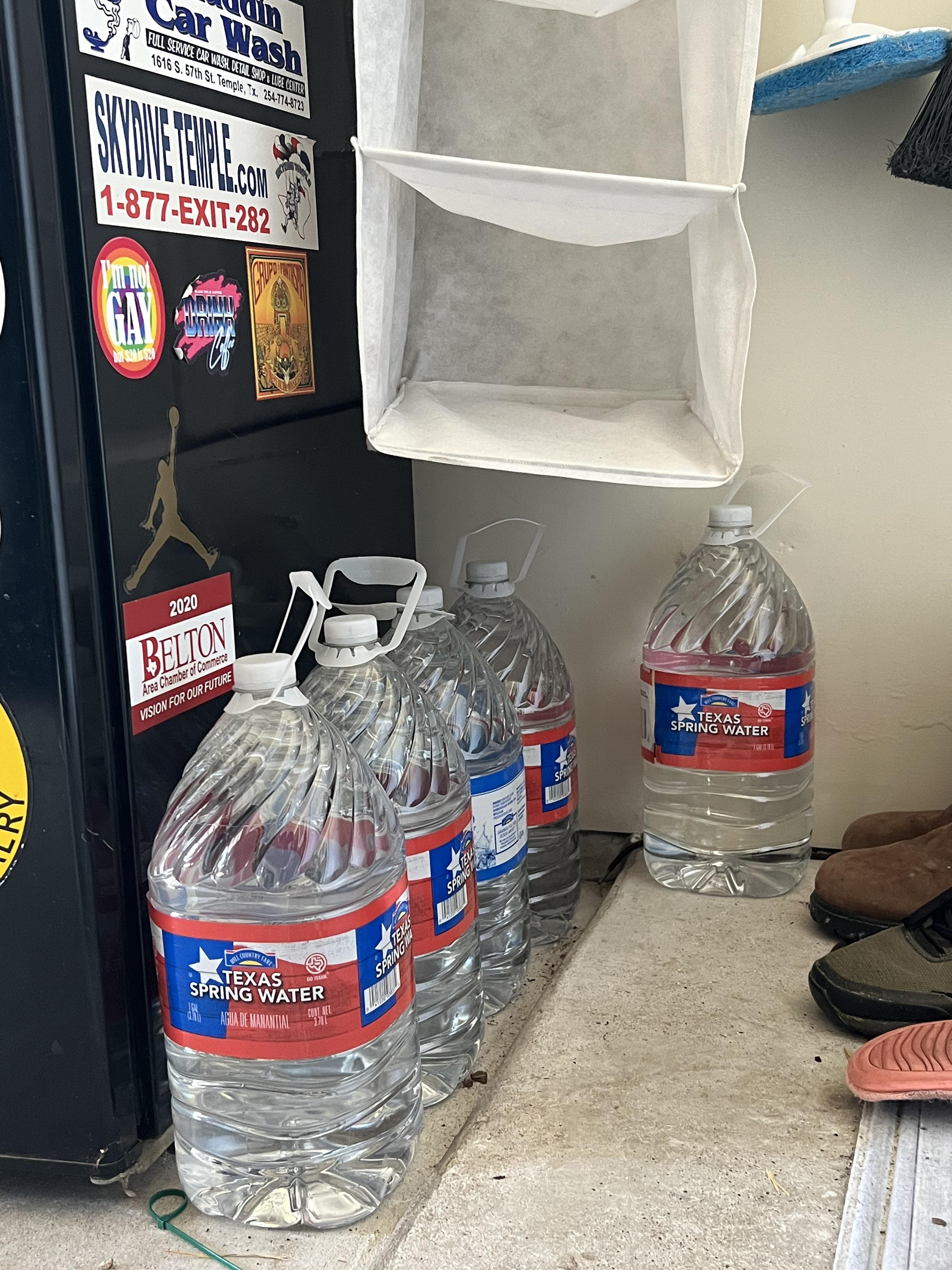
When the system finally failed, the collapse was swift. Within hours of the announcement, grocery stores were stripped bare of bottled water. By midday, residents were buying anything that contained liquid. The National Guard established emergency water distribution sites, allotting each household a small daily ration based on the 25-liters-per-person humanitarian standard set in crises like Cape Town's.
Restaurants closed. Schools suspended classes. Hospitals switched to emergency reserves. For a coastal city accustomed to hurricanes, residents understood disaster. But hurricanes leave. This one had no clear end.
The Industrial Paradox
While residents waited in line for water, the industrial skyline along the ship channel continued to operate — at least initially. Many facilities held long-term contracts guaranteeing water supply volumes, negotiated years earlier when growth was the priority. The Gulf Coast Growth Ventures plant, a joint venture between ExxonMobil and SABIC, was known to consume as much water as all of Corpus Christi's residents combined.
Public outrage grew as residents watched massive industrial complexes continue operations while households struggled. But within weeks, the plants began shutting down. Without a functioning city, a healthy workforce, or stable supply chains, even the largest industrial facilities could not continue.
The Human Cost
The first month after Day Zero reshaped daily life in ways few had imagined. Portable sanitation units appeared in parks. Hospitals, overwhelmed and undersupplied, triaged patients aggressively. A mass exodus began as families left the city in waves. Businesses dependent on water — laundromats, restaurants, hotels, construction — had closed almost overnight, leaving thousands unemployed.
By the end of the first year, large sections of Corpus Christi stood nearly empty. The once-thriving port city had become something few believed possible: a coastal community with an ocean at its doorstep and no water to drink.
A Personal Reflection
Editor's Note: The following section is a personal reflection from the original author, Gil Harris.
Watching this unfold forced me to think back to something I hadn't thought about in years. I graduated high school in 1995. For a final project in environmental science, I wrote a research paper about protecting natural resources. I chose water.
Even back then, Corpus Christi dealt with drought. I wrote my paper about desalination and how coastal cities could use the ocean as a backup water source. My proposal was simple: require large industrial facilities to reclaim and desalinate water from the ship channel for their own use. At seventeen, it seemed logical. Three decades later, it still does.
What Could Have Been Done
What could we actually do to fix this? Not theoretical policy papers. Just practical ideas.
- Infrastructure Investment: A pipeline system from regions of Texas with more rainfall.
- Behavioral Incentives: Monthly utility bill credits for households that stay under a designated water-use threshold.
- Modernized Building Codes: Require greywater recycling systems in new construction to redirect water for irrigation.
- Industrial Accountability: Mandate strict usage guidelines, transparent reporting, and efficiency standards for large water users.
- Public Education: Operate a public greenhouse and education center to teach residents how to xeriscape their yards using drought-tolerant native plants.
None of these ideas alone would solve the problem. But together, they represent the kind of layered strategy that drought-prone cities must adopt.
The Silence from Industry
One thing has stood out throughout this crisis. In a city whose economy is dominated by water-intensive industry, the silence from those companies has been deafening. There have been no major public forums, no transparent reporting on water consumption, and no detailed public plans explaining what steps these companies are taking to reduce usage. Instead, residents are left with the impression that industry operates in an insulated bubble, while the financial burden of solving the crisis is shifted onto taxpayers.
A Warning
The tragedy of Corpus Christi was not just the drought. It was the belief that the problem could always be solved later. If meaningful infrastructure had been built, if industry had been required to share responsibility for securing its own water supply, Corpus Christi might have become a model for coastal cities.
Instead, it became a warning.
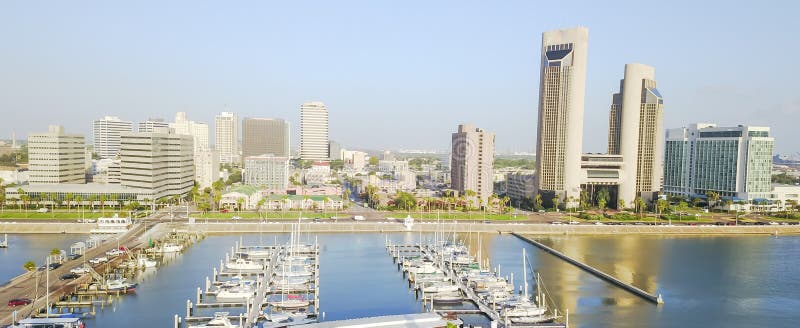
The Gulf of Mexico still stretches endlessly beyond the jetties. But one morning, the faucets stopped. And when a city surrounded by water learns that it has none left to drink, the lesson becomes painfully clear: the crisis didn't begin the day the taps ran dry. It began decades earlier — when everyone assumed there would always be time to fix it later.
References
- Corpus Christi could be close to running out of water — San Antonio Express-News, Mar. 8, 2026
- After a decade of missteps, a Texas city careens toward a water shortage catastrophe — Inside Climate News, Mar. 8, 2026
- A Thirsty Tesla Refinery Could Exacerbate Corpus Christi's Water Crisis — Texas Environment Research Center, May 15, 2025
- How Republicans Built An Industrial Boom Without The Water — Lone Star Left, Mar. 12, 2026
- Corpus Christi's water supply is uncertain after City Council ends deal for desalination plant — Texas Tribune, Sep. 3, 2025
- Seven Seas' test well water shows radioactive contamination, arsenic above EPA limits — KRISTV, 2025
- Corpus Christi officials work to diversify water system in the face of emergency — Border Report, Mar. 13, 2026
- Day Zero Disaster Plan FAQs — CorpusDayZero.com